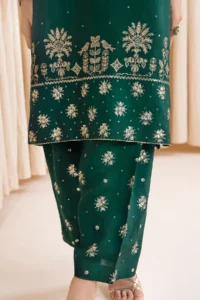
Eid Collection

Eid Lehenga Collection 2026 – Best Picks
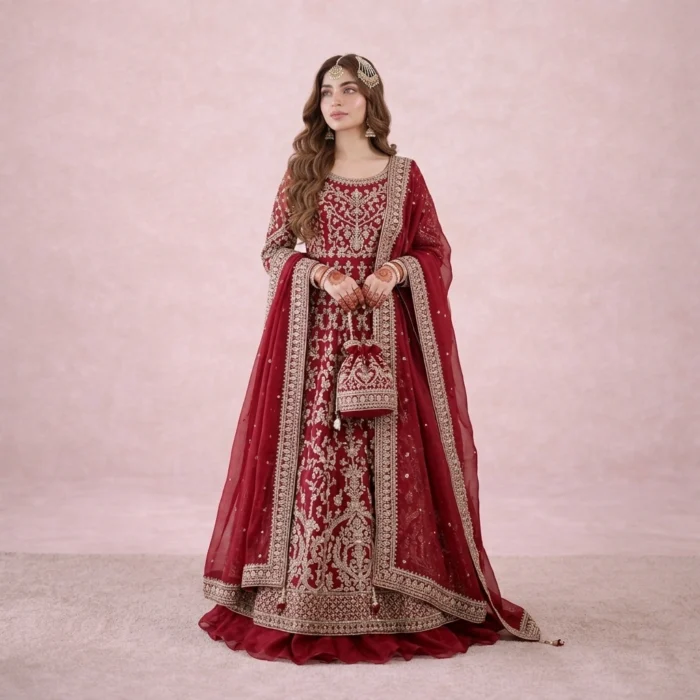
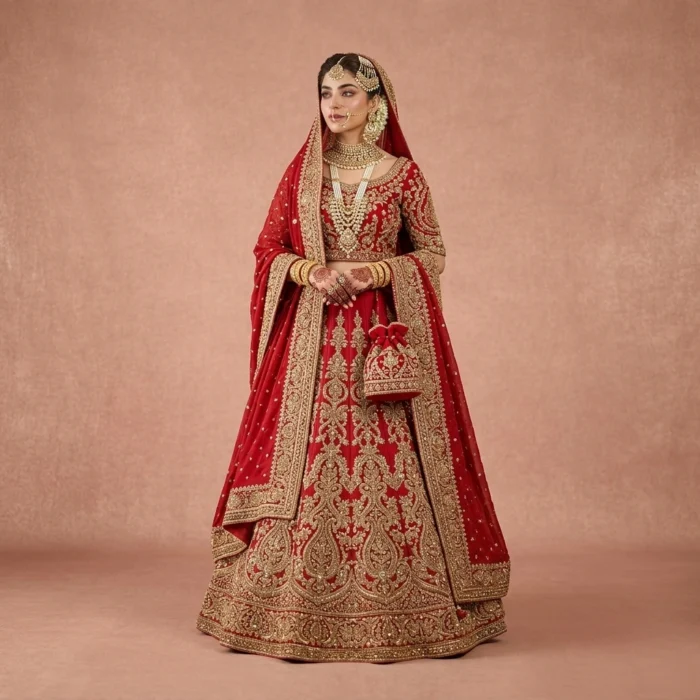
Eid is the season when every Pakistani woman wants to look her absolute best, and nothing makes a statement quite like a beautifully crafted lehenga.
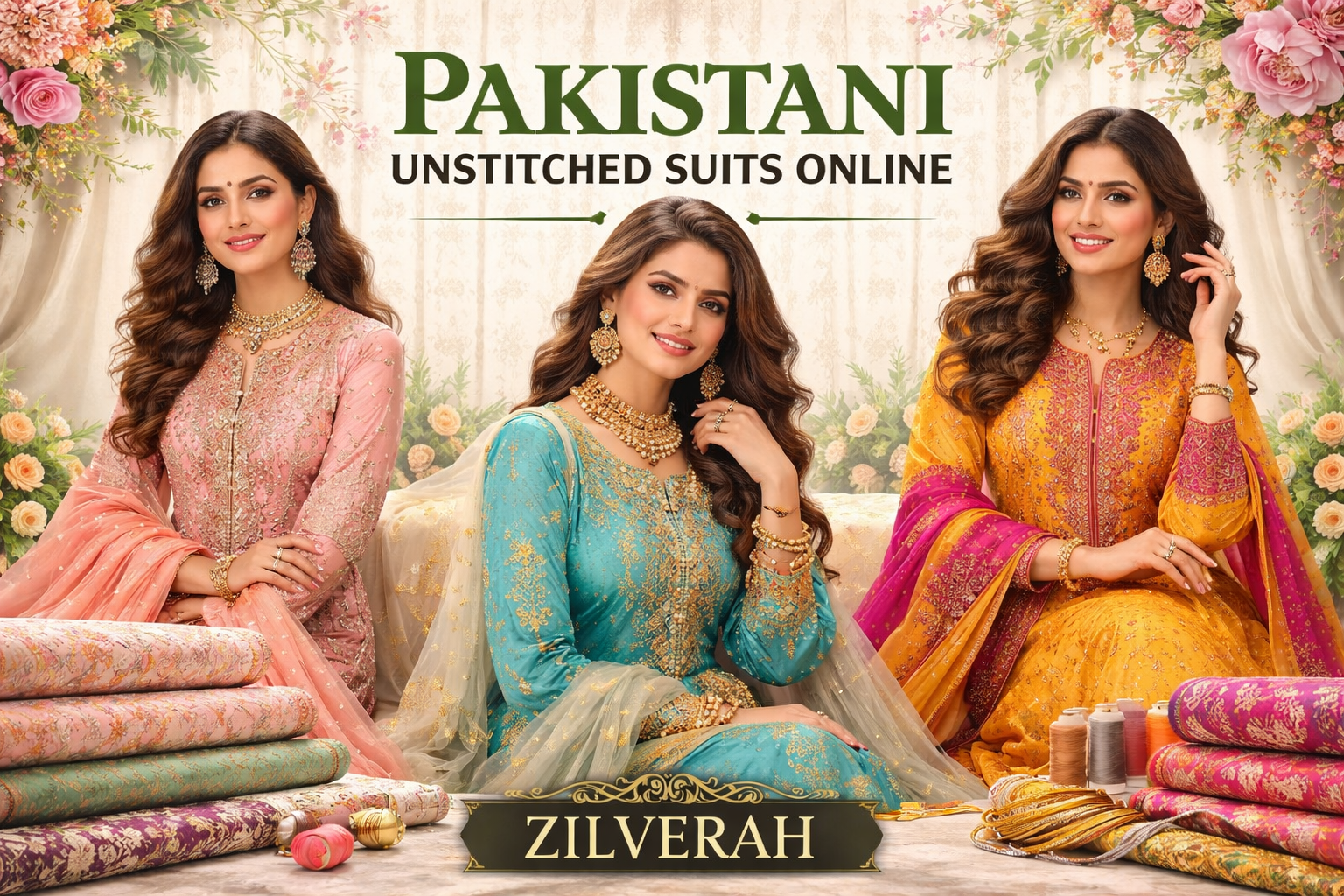
There is something almost magical about unfolding a freshly delivered parcel and discovering metres of crisp, hand-crafted Pakistani fabric inside, the delicate scent of the cloth, the precision of the print, the quiet promise of an outfit waiting to be born. If you have ever searched for Pakistani unstitched suits online and found yourself overwhelmed by choices, sizing doubts, or shipping questions, you are in exactly the right place. This complete buying guide is written for South Asian women living in Norway, Scandinavia, and across the globe who want to buy Pakistani unstitched fabric with confidence, style intelligence, and zero guesswork. Whether you are a seasoned shopper or ordering your very first 3 piece unstitched Pakistan set, we will walk you through everything, from understanding fabrics and embroidery techniques to nailing the perfect tailor brief after your parcel lands.
Before diving into the how-to, it helps to understand exactly what you are buying when you order an unstitched suit. Unlike ready-to-wear garments, an unstitched suit is sold as a coordinated bundle of fabric panels, typically enough yardage for a kameez (shirt front, back, and sleeves), trousers, and a dupatta. You receive the fabric for Pakistani unstitched suits; your local tailor transforms it into the silhouette you want.
Ready-to-wear suits arrive stitched to a set size and Pakistani unstitched suits. They are convenient, but they come with a significant trade-off: you wear the designer’s vision of what the cut should look like, and if your measurements do not match the standard, alterations can distort the print or embroidery alignment. Unstitched fabric solves this entirely. You decide whether your kameez will be a sleek, knee-length straight cut, a flared A-line frock, or a contemporary crop paired with wide-leg trousers. You control the sleeve length, the neckline depth, the trouser fit. For women whose bodies do not conform to a single standard size, which is most of us, unstitched is genuinely liberating.
There is also a compelling financial argument. A single high-quality unstitched lawn suit of Pakistani unstitched suits can be stitched into multiple silhouettes depending on trends; if you change your mind about the style two seasons later, your tailor can re-cut without sacrificing the fabric’s beauty. Pakistani fashion experts of Pakistani unstitched suits consistently recommend unstitched suits for diaspora women precisely because tailoring standards differ from country to country, and having a skilled local tailor (or a trusted one back home during a visit) means your outfit will fit the way it should.
Among all formats, the 3 piece unstitched Pakistan suit is the runaway favourite, and for good reason. A three-piece set includes the shirt fabric, coordinated trouser fabric (often dyed or printed to complement the shirt), and a matching dupatta. This eliminates the time-consuming and sometimes frustrating process of sourcing complementary fabrics separately. The designer has already done the colour story work. For women in Scandinavia who may not have easy access to Pakistani fabric markets of Pakistani unstitched suits, this convenience is not trivial, it is essential. You receive a complete outfit idea in one package, and all that remains is the stitching.
If you are curious about expanding your wardrobe beyond suits, our guide on Pakistani Shalwar Kameez: The Ultimate Guide to Buying Online covers the broader universe of traditional silhouettes in excellent detail.
Fabric knowledge is the single most important skill you can develop as a buyer of Pakistani unstitched suits online. The fabric determines how the suit will feel against your skin, how it will drape, how it will photograph, and how easy it will be to care for. Here is a practical breakdown of the fabrics you will encounter most frequently of Pakistani unstitched suits.
If you have spent any time browsing Pakistani fashion, you will have noticed that lawn dominates the spring and summer landscape of Pakistani unstitched suits. Lawn is a finely woven, lightweight cotton fabric celebrated for its soft texture, breathability, and its extraordinary ability to absorb dye and print with sharp clarity. Originally European in origin, lawn has become so deeply embedded in Pakistani fashion culture that the annual launch of premium lawn collections is treated almost like a national event.
In 2025, Pakistani lawn unstitched collections continue to evolve. Designers are moving away from oversized, boxy cuts and embracing sleeker, more modern shapes, cigarette pants, culottes, high-low hemlines, and fitted kameez styles with statement sleeves are dominating the season. Colour palettes this year lean into soft pastels (think powder blue, lavender, soft peach, and mint green) for formal and semi-formal occasions, while festive collections burst with electric fuchsia, radiant yellow, and coral. Vibrant oversized florals, especially in tropical shades, are making a strong comeback alongside muted earthy tones like dusty beige and eucalyptus green.
For a deeper dive into what is available this season, our dedicated post on Exclusive Pakistani Lawn Suit Online Deals You Can’t Miss This Season is well worth your time.
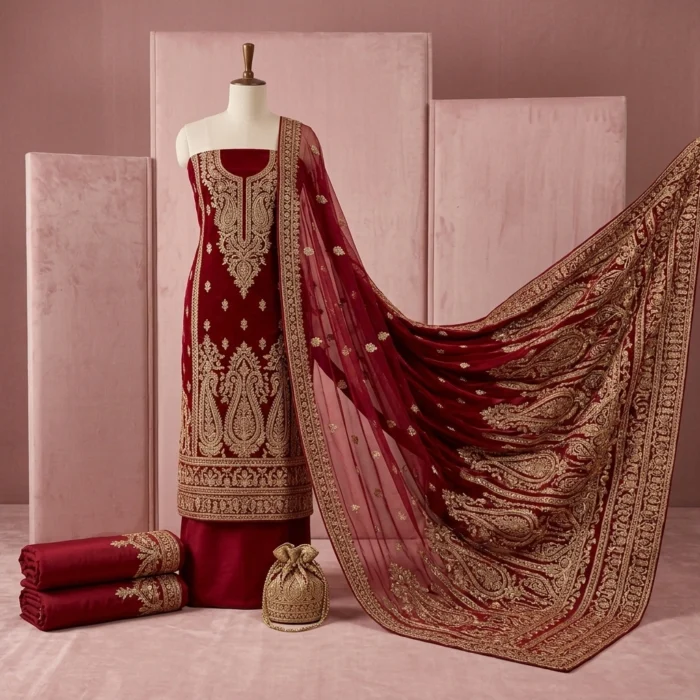
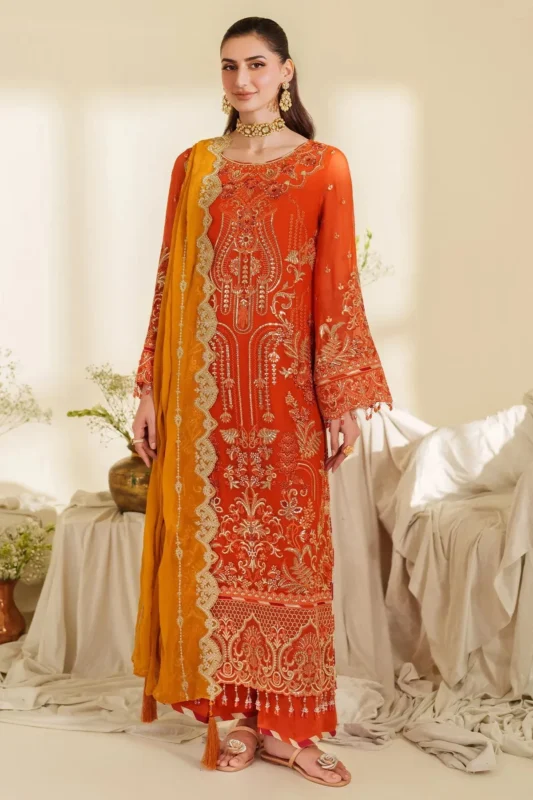
For formal occasions, weddings, Eid gatherings, cultural celebrations, lawn gives way to richer, heavier fabrics. Chiffon and georgette are perennial favourites for dupattas and even full suit sets; they drape beautifully and catch the light in ways that cotton simply cannot. In 2025, the luxury segment is seeing a surge in velvet, silk, and satin suits adorned with zardozi work, hand-stitched motifs, and gold thread embroidery. Velvet in particular is becoming the go-to fabric for winter weddings and festive seasons, its deep, lustrous texture makes even a minimal embroidery detail look richly ceremonial.
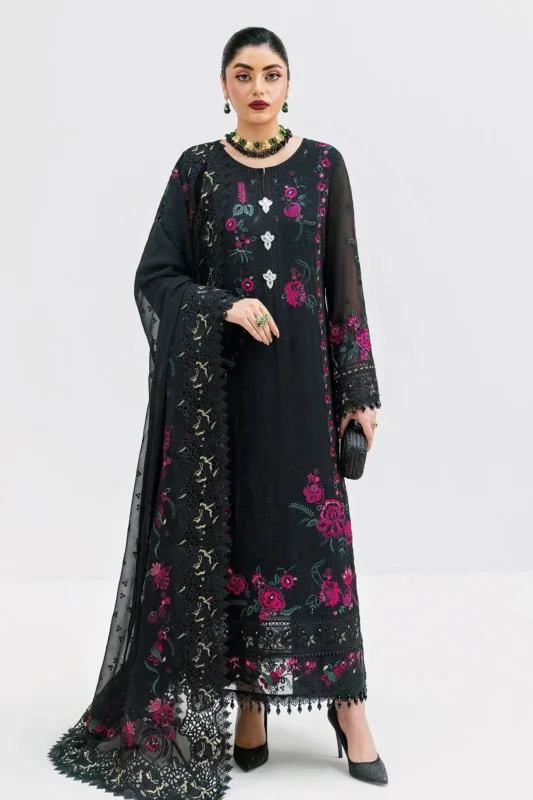
For festive occasions, we have carefully curated some exceptional options. Here are two of our favourite statement pieces that showcase what elevated Pakistani formal wear looks like today:
Not every suit needs to be reserved for a special occasion. Khaddar, a coarser, slightly textured woven cotton, is ideal for autumn and winter casual wear. It is warmer than lawn, wonderfully durable, and has an organic, artisanal quality that pairs beautifully with minimal embellishment. Plain cotton suits with simple printing or broderie anglaise details are perfect for everyday comfort, and for women in Scandinavia dealing with variable weather, layering a khaddar kameez over a turtleneck or pairing it with a warm cardigan is a practical and elegant solution.
One of the most confusing aspects of buying Pakistani unstitched suits online is deciphering embroidery descriptions. Terms like chikankari, zardozi, and adda work appear frequently, but their distinctions matter, both for understanding the quality of the garment and for justifying the price difference between a PKR 3,000 suit and a PKR 30,000 one.
Chikankari is one of the most celebrated forms of South Asian hand embroidery, tracing its origins to the Mughal era when it is believed to have been introduced by Nur Jahan, wife of Emperor Jahangir, in the 16th century. The technique involves a variety of stitches worked onto the fabric, including tepchi (a running stitch used for outlines and borders) and bakhiya (shadow work, which creates a soft, translucent pattern by stitching on the reverse side of the fabric). Authentic chikankari has an understated elegance of Pakistani unstitched suits, the motifs seem to emerge from within the fabric rather than sitting on top of it.
For truly luxurious formal wear, adda work and zardozi represent the pinnacle of Pakistani embroidery craftsmanship. In adda work, artisans stretch the fabric over a large wooden frame (the adda) and work intricate patterns using silk and metallic threads, sequins, beads, and stones. Zardozi specifically refers to the use of gold and silver metal threads, often combined with taarkashi, a refined technique where fine metal threads are couched (laid and secured) onto the fabric surface in flowing, precise patterns. The result adds richness and dimension without adding excessive weight, making zardozi-adorned suits appropriate for weddings and formal events without being impractical to wear.
When shopping online, look for product descriptions that specify hand embroidery versus machine embroidery. Hand-worked pieces will typically be more expensive, take longer to produce, and have slight natural variations, which are features, not flaws for Pakistani unstitched suits.
Beyond hand embroidery, the print category divides into two schools. Classic print lawn uses traditional block or screen printing methods, producing a timeless, handcrafted charm with a slight warmth and imperfection that many purists love. Digital print lawn, produced with modern technology, offers sharper detailing, more vibrant colour reproduction, and the ability to render photographic or highly intricate geometric and floral patterns that would be impossible to achieve with a block. Neither is objectively superior, it depends on your aesthetic. For heritage-inspired wardrobe pieces, classic prints feel more authentic. For bold, contemporary statement suits, digital prints deliver unmatched visual impact.
Now that you understand what you are buying, let us talk about how to buy it well. The process of buying Pakistani unstitched fabric or Pakistani unstitched suits online from Norway or Scandinavia involves a few more considerations than a typical local purchase.
Before opening any website, ask yourself three questions: What is the occasion? What is the season? What silhouette do I want to get stitched? These three answers will immediately narrow your fabric choices. A summer wedding calls for embroidered chiffon or organza; a casual Eid family gathering might be perfect for a printed lawn three-piece set; a winter dinner party invites velvet or khaddar with zardozi detail. Shopping with intention saves time and reduces the temptation to overbuy, though we understand the temptation entirely.
Online listings should specify the fabric type (lawn, chiffon, georgette, khaddar, etc.), the embroidery technique if applicable, and the yardage included in each piece. Standard suit sets include approximately 3.5 to 4.5 metres for the shirt fabric, 2.5 metres for trouser fabric, and 2.5 metres for the dupatta, but this varies. If you are tall, have broader shoulders, or plan a particularly voluminous style, verify the yardage is sufficient before purchasing of Pakistani unstitched suits. Some boutique collections offer customised yardage additions; it is always worth asking.
This is one of the most frequently misunderstood aspects of buying Pakistani unstitched suits online. Because unstitched fabric is sold as yardage rather than a pre-cut garment, the standard Pakistani suit size labels (Small, Medium, Large) refer to the shirt fabric’s cut dimensions, not your body measurements. A Pakistani “Large” can differ wildly from a Western European “Large.” Rather than relying on generic size labels, always compare the specific measurements, sleeve length, shirt length, chest width, with the brand’s size chart. Better still, if you are having the suit stitched locally, provide your tailor with your own measurements and let them calculate how much fabric is needed. Pre-soaking the fabric (more on that below) before stitching is also highly recommended.
Shipping costs and customs duties are the most common pain points for diaspora shoppers. When purchasing Pakistani unstitched suits online for delivery to Norway or elsewhere in Scandinavia, look for stores that are transparent about their international shipping rates upfront, not buried in fine print at checkout. Norway, not being an EU member, applies its own import duties and VAT (MVA) rules. For clothing imports, Norwegian customs currently applies a 25% MVA rate on goods above a de minimis threshold. Stores that clearly explain their customs policies, or that ship in ways designed to minimise customer-facing surprises, are worth paying a slight premium for. At Zilverah, we understand this concern deeply because our customers are exactly the South Asian women living in Norway who deserve a frictionless shopping experience.
Fashion moves quickly, and the Pakistani suit landscape of 2025 is markedly different from even two years ago. Here is what the current season looks like, so you can shop with trend awareness.
The silhouette story for 2025 is about sleekness and intentionality. Designers are saying goodbye to oversized, draped shapes and embracing more structured, fitted forms. Asymmetrical hems, high-low cuts, and peplum-style kameez tops are gaining ground. Statement sleeves, bell sleeves, ruffled, puffed, are becoming focal points, transforming even a simply printed lawn suit into a fashion-forward outfit. On the trouser front, cigarette pants, culottes, and cut-off trousers are far more common than traditional shalwar in contemporary collections, though wide-leg palazzo sets remain popular for festive wear.
Fusion wear is also having a significant moment. Pakistani designers are increasingly incorporating Western tailoring elements, think tailored blazer overlays, crop-top kameez paired with wide-leg trousers, even suits styled with sneakers or structured boots for a thoroughly modern diaspora aesthetic. This makes 2025 Pakistani unstitched suits genuinely versatile: dress them up with traditional khussas and a clutch for Eid, or dress them down with white trainers for a weekend outing in Oslo.
Fashion experts consistently highlight the neckline as one of the most impactful design decisions in a Pakistani suit. Contemporary styles in 2025 include deep V-necks, bold boat necks, contemporary collar necks, and high-collar designs with intricate gota patti or lace detailing. When you take your unstitched suit to a tailor, come prepared with a reference image of the neckline you want, this is your opportunity to personalise a designer suit to your exact preferences. Many women opt for a simple round neck on casual suits and a more elaborate embellished collar for formal occasions, using the same fabric.
The dupatta is experiencing a quiet renaissance. After years of being treated as an afterthought (or discarded entirely), dupattas are back as statement accessories. Organza dupattas with hand-knotted tassels, chiffon dupattas with wide embroidered borders, and net dupattas with scattered sequin work are all trending heavily. When you buy a 3-piece unstitched set, examine the dupatta fabric description carefully, a beautifully embroidered dupatta can elevate even a relatively simple shirt and trouser combination into a complete, polished look.
For those interested in the broader world of formal Pakistani fashion, our guide on Pakistani bridal wear online explores the extraordinary world of luxury embellishment that sits at the top of the fashion pyramid.
Buying premium Pakistani fabric is an investment, and protecting that investment starts before your suit is even stitched.
In Pakistan, it is standard practice among experienced tailors and home sewists to soak unstitched lawn fabric in plain, cold water for 30 to 45 minutes before cutting and stitching. Why? Because lawn and cotton fabrics can shrink slightly on their first wash. By pre-soaking the fabric before stitching, you ensure that your finished kameez length, shoulder fit, and overall dimensions remain consistent even after repeated washing. This step is particularly important for heavily embroidered pieces, pre-soaking before stitching means the embroidery and base fabric shrink together, preventing puckering or distortion. Embroidered chiffon and georgette do not typically require pre-soaking, but always check the care label if one is included.
Once stitched, Pakistani suits, particularly embroidered and printed lawn, should be washed gently, ideally by hand or on a delicate machine cycle with cold water and a mild, colour-safe detergent. Avoid wringing or twisting embroidered pieces. Dry in shade rather than direct sunlight, which can fade even the most vibrant digital prints over time. For velvet, silk, and zardozi-adorned formal pieces, dry cleaning is strongly recommended. Store formal suits in breathable cotton garment bags, never plastic, to prevent moisture buildup and fabric damage. Keeping tissue paper between folded embroidered sections prevents sequins and threads from snagging each other.
When your order arrives, inspect it before heading to the tailor. For printed lawn suits in particular, check that the print aligns at the seam lines of the shirt front and back, good-quality Pakistani unstitched fabric is cut with print registration in mind, but occasionally a piece will be off. Examine embroidery stitching for any loose threads that need to be secured. Check that all three pieces (shirt, trouser, dupatta) are present and that the yardage is as described. Reputable online stores will have a return or exchange process for manufacturing defects, familiarise yourself with this policy before purchasing.
Here are some more beautifully crafted formal pieces from Zilverah that exemplify the quality and craftsmanship you should look for when shopping online:
Living in Scandinavia means navigating a beautiful but challenging climate, and a social environment where Pakistani fashion may be worn both within the community and in increasingly multicultural everyday spaces. Styling your Pakistani suit thoughtfully means it works for you in both contexts.
For daytime or casual settings, a digitally printed lawn top with white cigarette trousers and a light cotton or organza dupatta draped loosely over the shoulders reads as effortlessly chic rather than overly formal. Pair with simple flats or clean white trainers and a structured tote bag. The key is proportion: if your kameez is fitted, give the trousers room to breathe; if the shirt is voluminous, a straight-leg or slim trouser creates balance. Minimal jewellery, small gold earrings, a delicate bangle, keeps the look wearable for a coffee run or a school pick-up.
For Eid celebrations, weddings, or cultural events, the full three-piece suit comes into its own. Opt for embroidered chiffon or silk with a beautifully bordered dupatta. Traditional khussas or embellished kitten heels complement formal Pakistani suits without competing with the garment’s own detailing. For accessories, let the embroidery guide you: if the suit has gold zardozi work, choose gold jewellery; if it features delicate white chikankari on pastel fabric, pearls or rose-gold pieces maintain the soft aesthetic. A cotton dupatta actually pairs beautifully with lawn for a more relaxed formal look, while organza adds drama to velvet or georgette suits.
Wearing Pakistani fashion in a Norwegian winter requires some creative layering. A khaddar or karandi three-piece suit, both heavier, warmer cotton weaves, is a natural starting point. Over a fitted kameez, a tailored coat or long-line wool cardigan in a complementary neutral (camel, charcoal, cream) creates a sophisticated fusion look that is both culturally expressive and practically warm. Thermal leggings worn under palazzo trousers are invisible but life-saving at -10°C. The dupatta can double as a lightweight scarf when draped correctly, a skill most Pakistani women master early.
Eid is the season when every Pakistani woman wants to look her absolute best, and nothing makes a statement quite like a beautifully crafted lehenga.
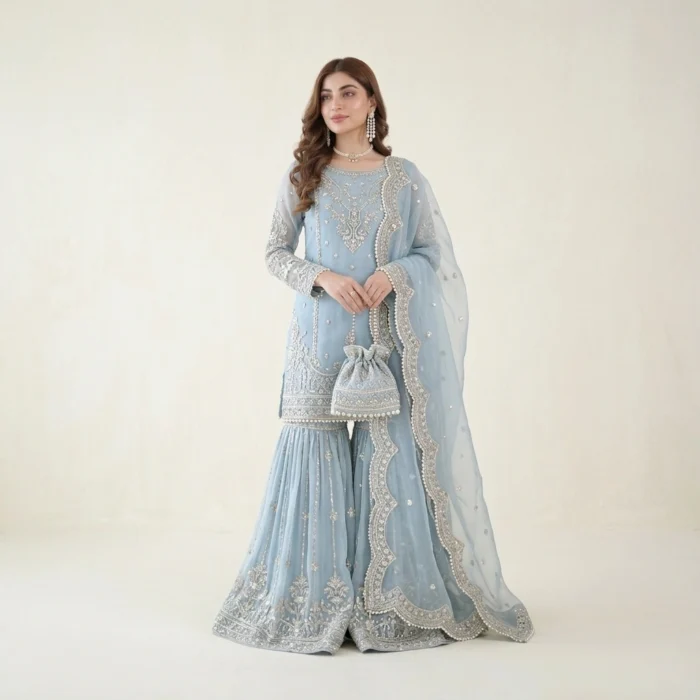
If there is one outfit that captures the magic of Eid celebrations in Pakistan, it is the sharara. Flowing, festive, and rooted in centuries of