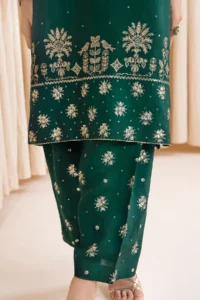
Eid Collection

Eid Lehenga Collection 2026 – Best Picks
Eid is the season when every Pakistani woman wants to look her absolute best, and nothing makes a statement quite like a beautifully crafted lehenga.
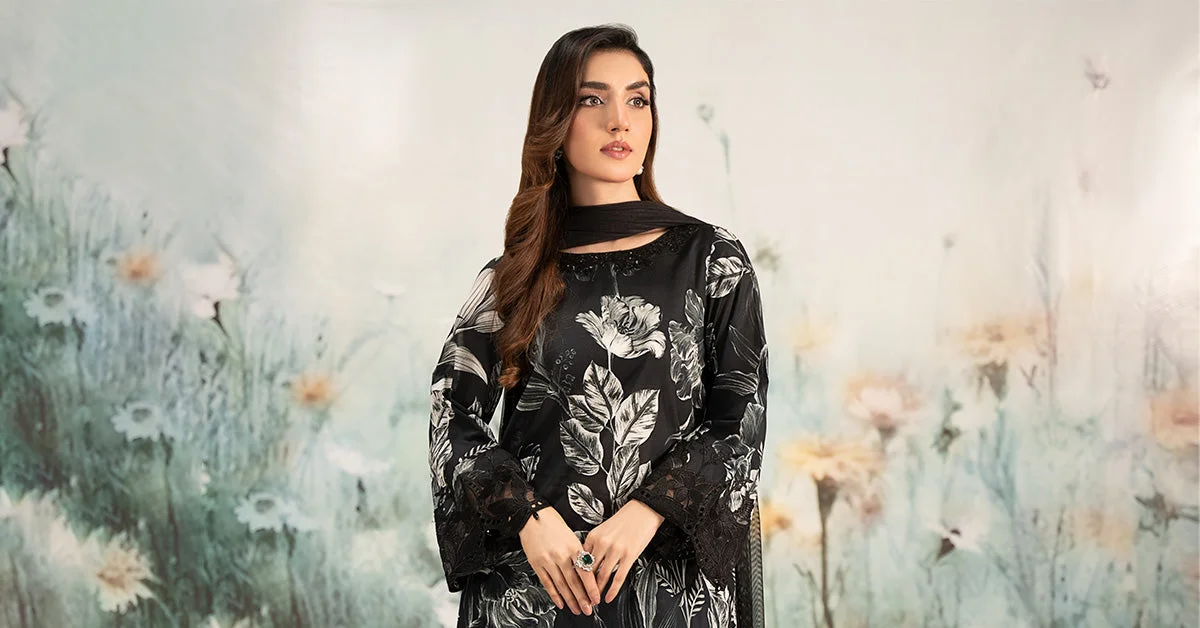
Finding the perfect formal dress in Pakistan is about far more than picking a pretty colour. It is about honouring tradition, expressing your personal style, and walking into a wedding, Eid gathering, or formal dinner feeling absolutely confident. Whether you are shopping from Lahore, Karachi, Islamabad, Rawalpindi, or Faisalabad, the right formal dress can transform the way you carry yourself at every special occasion. At Zilverah, we have curated a stunning range of formal dresses for Pakistani women that blends the richness of traditional craftsmanship with contemporary silhouettes. With over 134 pieces in our Formal Wear collection, there is something for every budget, every occasion, and every taste. Read on to discover the best formal dress styles for 2026, how to choose the right one, and where to shop them at honest prices with free delivery across Pakistan.
Pakistani formal wear is one of the most celebrated clothing categories in South Asian fashion. It sits in a league of its own, distinct from everyday pret and casual lawn, because it is designed specifically for elevated social settings. Think weddings, Walima receptions, formal dinners, Eid milans, and black-tie galas. These are occasions where what you wear carries cultural weight and is a reflection of your identity and artistry.
The elegance embedded in Pakistani formal wear traces back thousands of years. The Indus Valley Civilisation laid the earliest foundations of refined clothing in this region. The Mughal era then introduced richer fabrics, opulent embroidery, and a visual language of grandeur that still defines Pakistani formal fashion today. Silhouettes like the Anarkali, Gharara, and Sharara all have Mughal-era origins, and they continue to dominate formal collections in 2026. The intricate embroidery found on a formal dress is not merely decorative. It carries symbolic meaning, signalling social status, craftsmanship, and cultural pride.
Ready-to-wear or pret clothing is mass-produced in standard sizes and designed for everyday versatility. Formal wear, by contrast, is higher-end, often heavily embellished, and crafted for specific occasions. The fabrics are richer, including silk, organza, velvet, and chiffon. The embellishments are more elaborate, featuring zardozi, dabka, gota patti, and hand-stitched threadwork. When you invest in a formal dress, you are investing in a piece of wearable art. At Zilverah, our formal collection spans entry-level elegance starting from Rs. 23,000 all the way through to luxury couture-grade pieces for the most discerning buyer.
The 2026 formal wear landscape in Pakistan is a beautiful marriage of tradition and modernity. Designers are embracing bold colour palettes alongside soft pastels, experimenting with revolutionary cuts, and reviving heritage embroidery techniques with a fresh eye. Here is a breakdown of the silhouettes and styles you need to know this year.
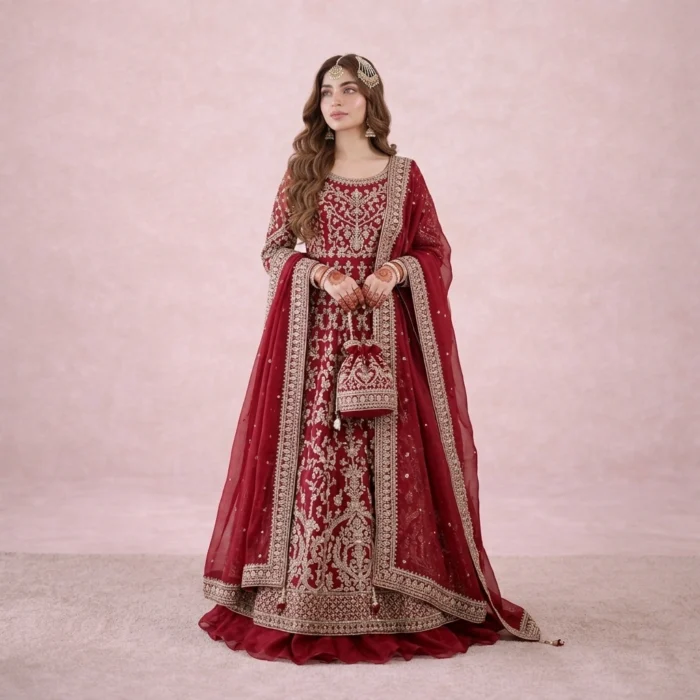
Floor-length Anarkalis continue to dominate formal fashion in 2026. Often crafted in sheer organza or net fabrics, these silhouettes feature heavy zari, stone work, or delicate threadwork that catches the light beautifully. The Anarkali is universally flattering across body types and works equally well for Barat events in Lahore as it does for formal dinners in Islamabad. For a modern touch, try a cape-style dupatta drape rather than the traditional shoulder pin style. It adds a regal, contemporary dimension to a timeless silhouette.
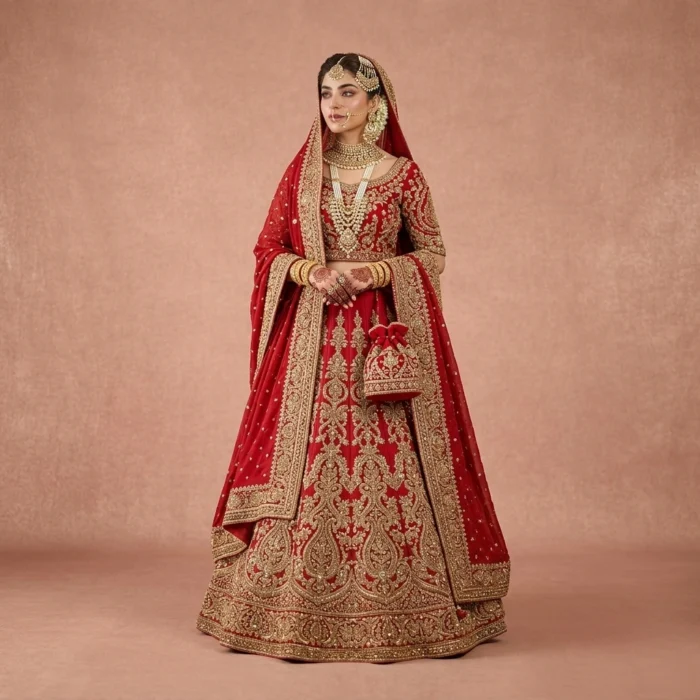
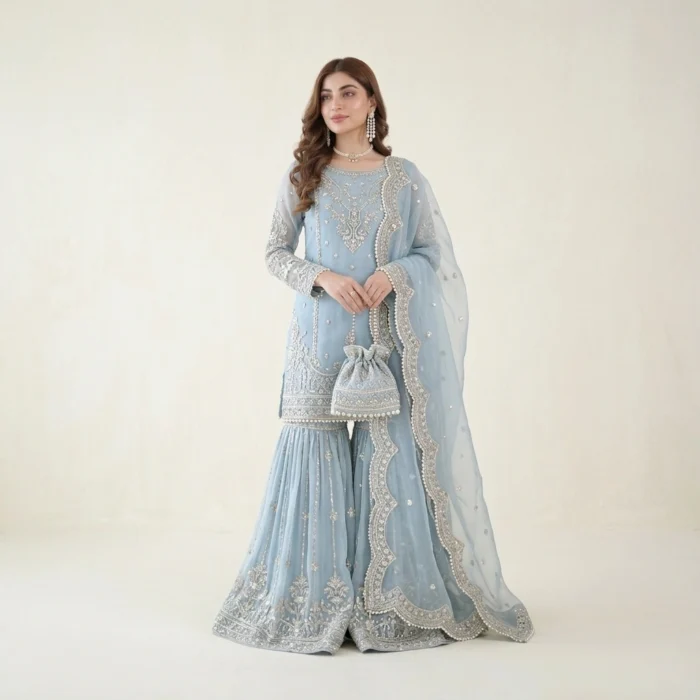
These three silhouettes carry the deepest roots in Pakistani formal fashion. The Sharara and Gharara both feature wide-legged bottoms rooted in Mughal-era aesthetics and remain the most popular choices for Mehndi ceremonies, Walima receptions, and Eid celebrations. The Lehenga is equally iconic, particularly for Barat events where heavy embellishments like gota patti, beadwork, and sequin detailing on silk or brocade make a dramatic statement. In Karachi especially, the Gharara is experiencing a strong revival, celebrated for its dramatic, regal silhouette.
Western-inspired silhouettes with a distinctly Pakistani aesthetic are growing in popularity across Islamabad, Rawalpindi, and Lahore. Embroidered formal gowns and maxi dresses offer a sophisticated alternative for women who want the elegance of traditional embroidery in a more streamlined silhouette. These styles work beautifully for formal dinners, galas, and receptions where a dress needs to speak for itself. Browse our Occasion Wear collection for expertly curated options across this category.
Here is a look at some of our most-loved formal pieces, perfect for weddings, Eid, and every celebration in between:
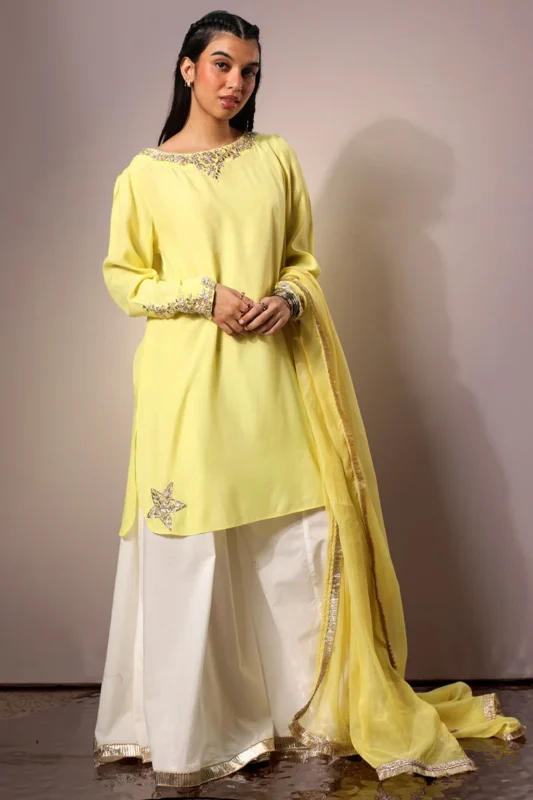
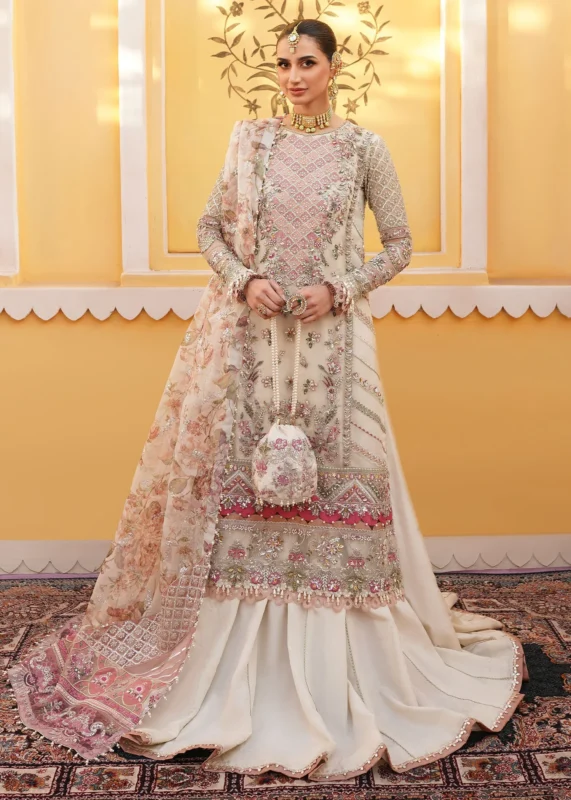
Choosing the right colour and fabric is just as important as choosing the right silhouette. In 2026, Pakistani formal wear is seeing a fascinating duality in colour trends, with soft pastels holding their own alongside bold jewel tones.
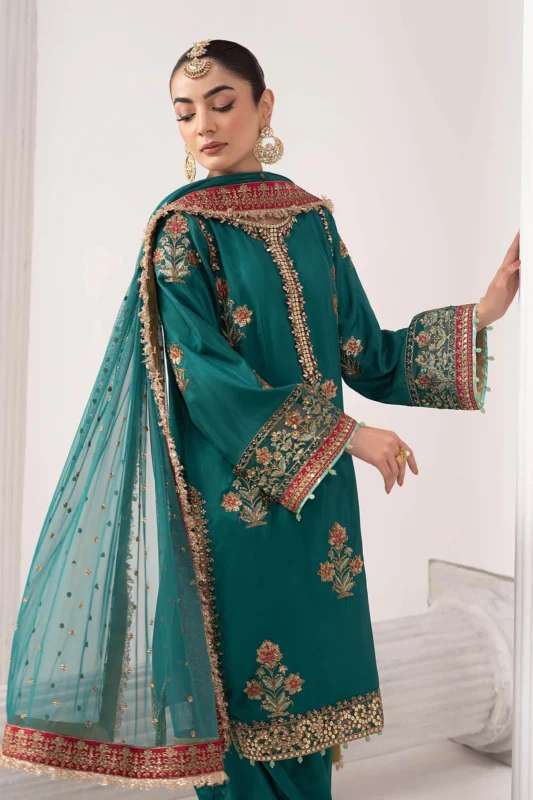
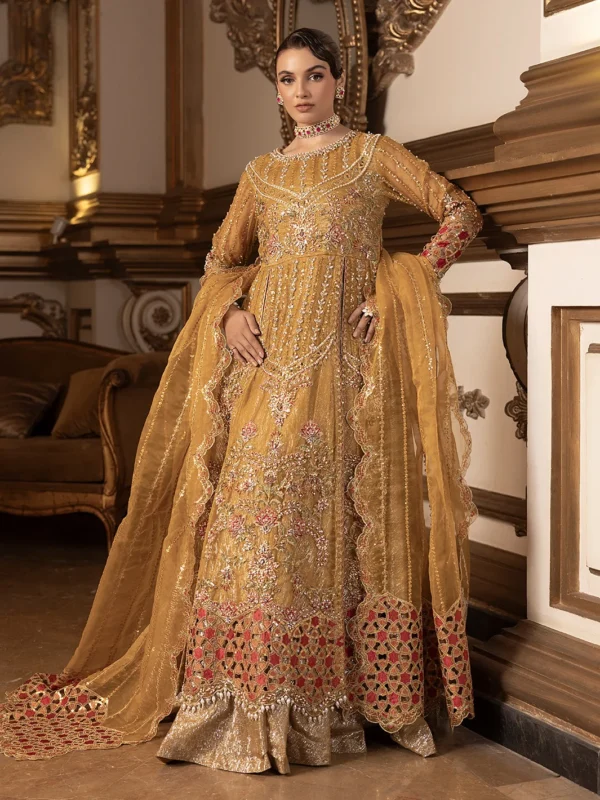
Soft colours like peach, lilac, powder blue, mint green, and powder pink are trending for their understated elegance. They photograph beautifully and work particularly well for daytime events like Mehndi ceremonies or Eid lunches. At the same time, bold shades including emerald green, mustard yellow, deep burgundy, and teal are making powerful statements in evening and bridal reception wear. Mustard, in particular, is having a major moment in 2026, appearing across both organza and raw silk formal collections. Our Mustard Organza Maxi at Rs. 40,000 is a standout example of how bold tones are being executed this season.
Fabric is where the quality of a formal dress truly reveals itself. Here is a guide to the key fabrics used in Pakistani formal wear and what to look for:
When evaluating quality, look closely at the embroidery. Hand-stitched zardozi, dabka, and gota patti work will always be more refined and valuable than machine embroidery. The density and precision of the threadwork, the weight of the fabric, and the evenness of the stitching are all indicators of a well-crafted formal dress.
Pakistan has a rich regional embroidery heritage that informs formal fashion across the country. Zardozi uses gold and silver threads to create intricate, luxurious designs traditionally associated with Mughal court dress. Kashmiri embroidery brings delicate floral patterns in silk thread. Punjabi embroidery is celebrated for its fine floral work in gold and silver. Sindhi embroidery is bolder, featuring geometric patterns in vivid colours. In 2026, the trend is moving toward refined embroidery that is detailed without feeling overwhelming, so that the garment reads as sophisticated rather than heavy.
Explore more of our embroidered formal selections, including raw silk three-piece sets and luxury chiffon styles:
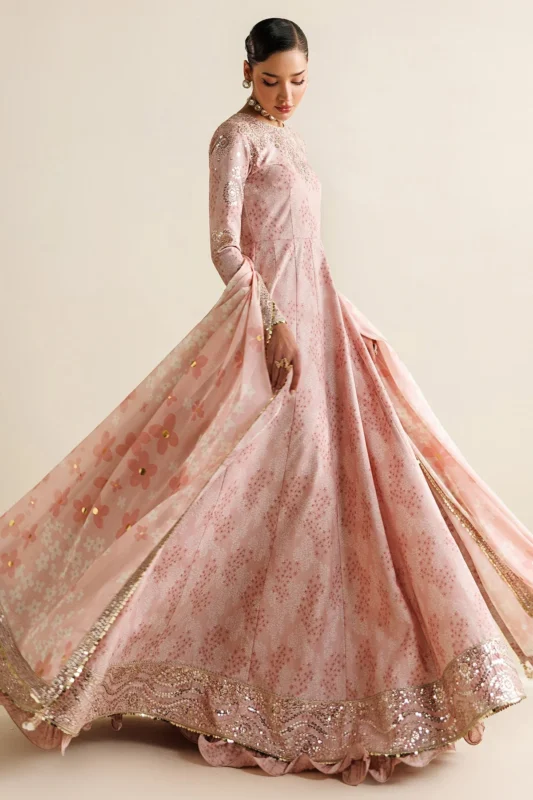
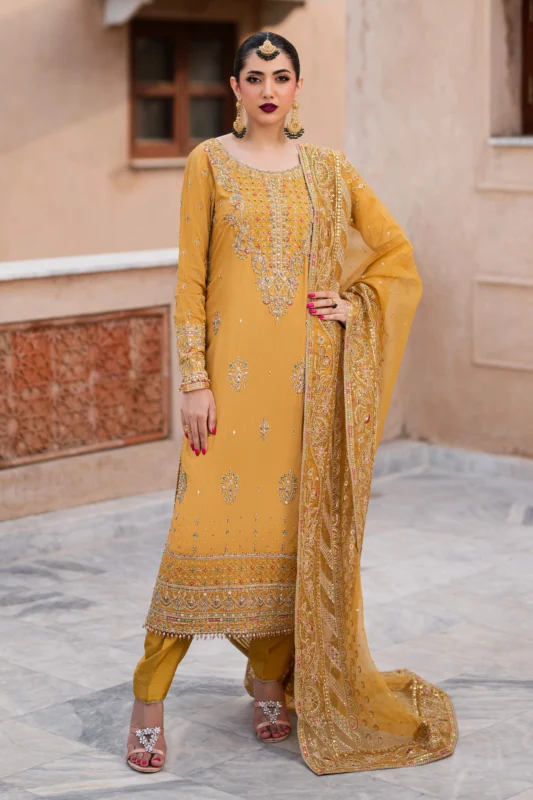
Pakistani women dress with intention. Every occasion has its own dress code, and knowing which formal style suits which event is a real skill. Here is a practical guide to help you choose the right formal dress for every important moment.
The three-day wedding in Pakistan is the ultimate showcase for formal dressing. Each event calls for a different level of formality and a different aesthetic.
For Mehndi, the mood is festive and colourful. Shararas, ghararas, and embroidered lawn or chiffon suits in yellows, greens, and pinks are the go-to choices. Our Gota Kari Sharara 3-Piece Set at Rs. 23,000 is an exceptional pick for Mehndi events. The gota patti detailing is intricate and traditional, while the price point makes it accessible.
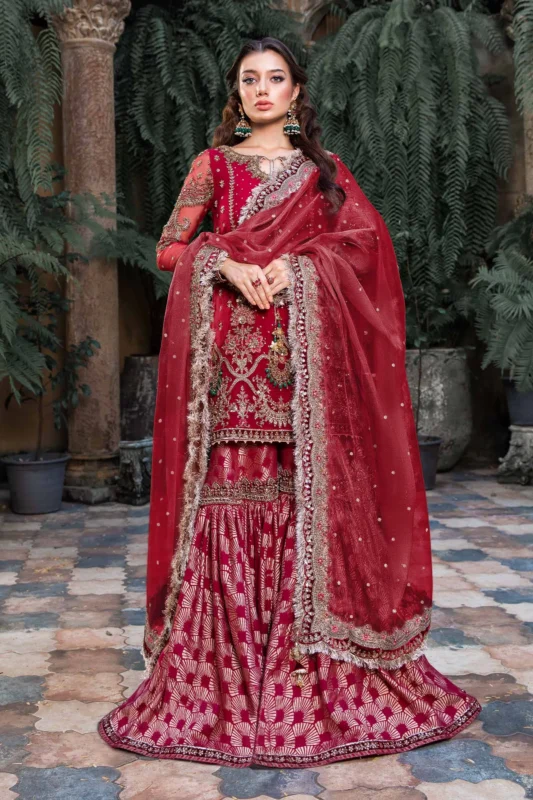
For Barat, guests are expected to dress at the highest level of formality. Lehengas, embroidered anarkalis on silk or organza, and heavily embellished three-piece suits are all appropriate. Our Red Gharara Set in Organza Jamawar at Rs. 105,000 is crafted for exactly this occasion. It is a luxury investment piece that commands attention.
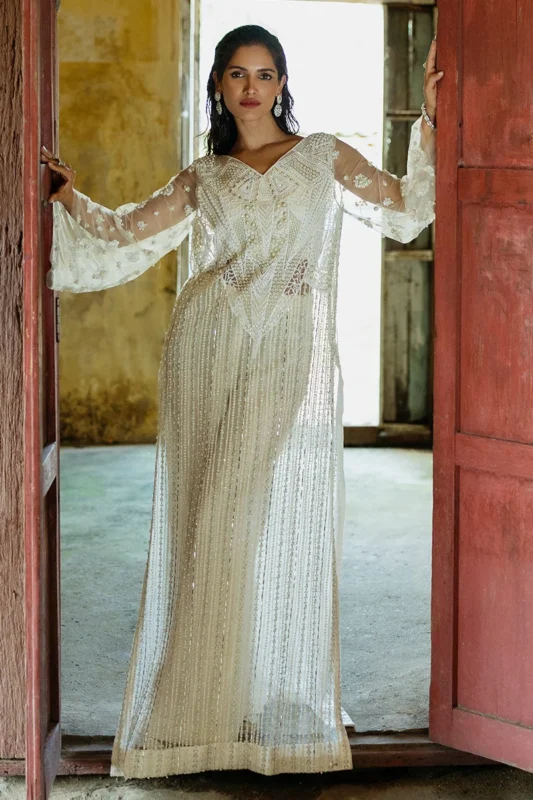
For Walima, lighter and more refined formal wear is preferred. Embroidered chiffon, organza maxi dresses, and pastel-toned formal suits are all ideal. Our Off-White Organza Lehenga at Rs. 33,000 is a top pick for Walima events, offering timeless elegance in a bridal-adjacent colour that still allows guests to shine.
Eid is Pakistan’s most universally celebrated occasion, and formal dressing for Eid is a beloved national tradition. In 2026, Eid formal wear is leaning into rich fabrics like raw silk and teal or mustard tones. The goal is to look polished and festive without overdressing. Three-piece formal suits in embroidered raw silk or dobby lawn hit the perfect note. Browse our Festive Collection for over 76 carefully selected pieces ideal for Eid.
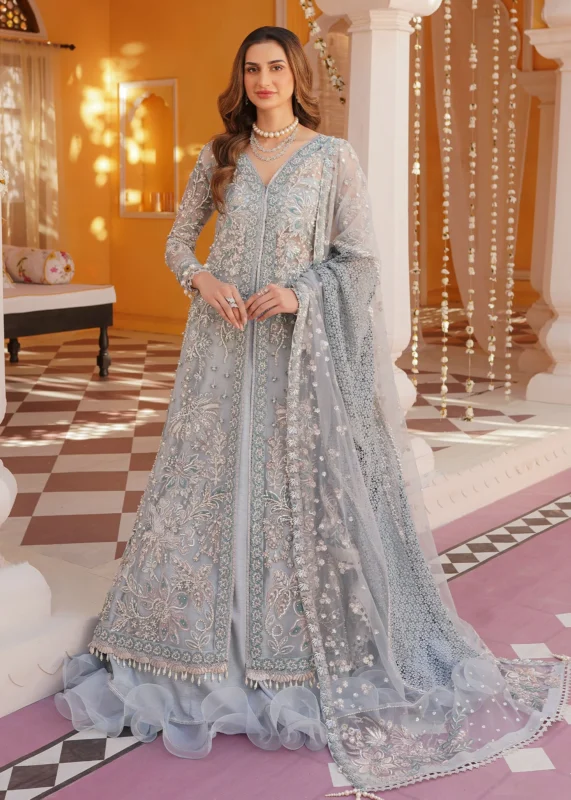
For black-tie events, formal dinners, and galas, Pakistani women increasingly reach for embroidered gowns and maxi formal dresses. The elegance of a well-constructed formal gown with Pakistani embroidery makes it perfect for any sophisticated setting, whether in Karachi’s elite social circuit or Islamabad’s diplomatic gatherings. Our Frost Ice-Blue Embroidered Formal Gown at Rs. 34,000 delivers exactly that level of refined glamour. For anyone searching for formal dresses in Pakistan for women that translate across both traditional and contemporary settings, embroidered gowns are an ideal investment.
A beautiful formal dress deserves equally thoughtful styling. The right accessories, footwear, and dupatta drape can elevate your look from good to extraordinary. Here is what our fashion experts recommend for 2026.
In 2026, the approach to formal jewellery is refined minimalism. Rather than layering multiple statement pieces, the idea is to select one or two impactful accessories and let the dress do most of the talking. For heavily embroidered formal dresses, keep jewellery understated. A pair of chandelier earrings or a single choker necklace is more than sufficient. For simpler silhouettes like embroidered gowns, you have more freedom to layer. Heavy jhumkas work beautifully with Gharara sets, especially when the blouse features a contrasting colour. Polki and kundan sets pair exceptionally well with raw silk and velvet formal wear.
The dupatta is one of the most transformative elements of Pakistani formal wear. How you drape it completely changes the silhouette and mood of your outfit. In 2026, the cape-style drape is the most popular for floor-length Anarkalis and formal gowns. It creates a regal, modern silhouette that photographs exceptionally well. For Sharara and Gharara sets, a front-pinned drape that falls symmetrically is both traditional and elegant. A well-matched or contrasting dupatta can completely transform your formal outfit, so treat it as a styling tool rather than an afterthought.
For traditional formal silhouettes like Sharara, Gharara, and Lehenga, embroidered khussas are a culturally resonant and incredibly comfortable choice. For Anarkalis and formal gowns, heeled sandals in gold, silver, or a tonal colour add height and polish. Velvet formal suits worn in winter pair beautifully with block-heeled mojris or embellished mules. Whatever you choose, make sure your footwear is comfortable enough for a full evening. Pakistani weddings are long affairs, and sore feet will affect how you carry yourself.
Looking for more formal and party wear styles? Our Party Wear collection of 120 pieces and our Luxury Formals category of 115 pieces offer outstanding options for every formal occasion.
Here are some of our top formal and party-ready styles that our customers across Pakistan are ordering right now:
One of the most common questions we hear is about pricing. What should you expect to pay for quality formal dresses in Pakistan? Here is an honest breakdown of what different price points actually deliver, and where Zilverah sits within the market.
At this price point, you can find ready-to-wear formal suits in chiffon, lawn, or printed fabrics with moderate embellishment. These are great options for guests attending casual formal events, family gatherings, or as your second-day Eid outfit. Our Gota Kari Sharara 3-Piece Set at Rs. 23,000 sits at the upper end of this range and offers significantly more embroidery detail than most pieces in this bracket.
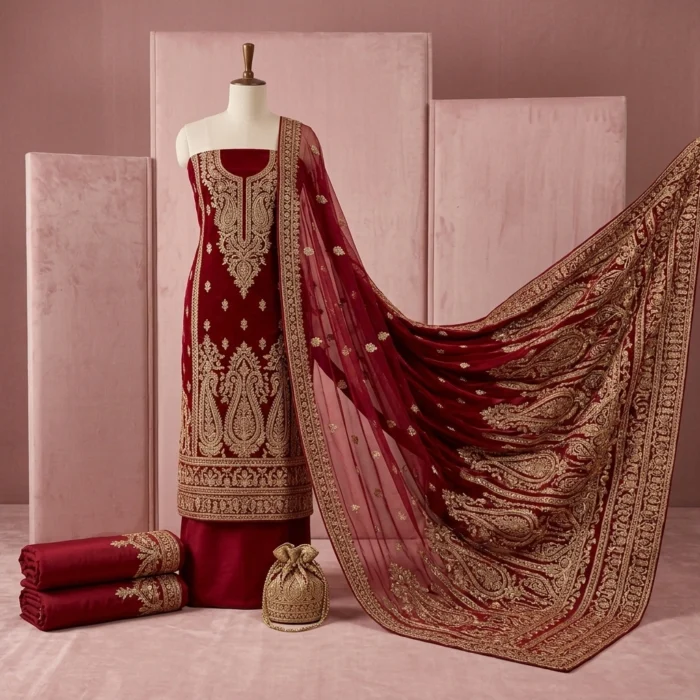
This is where the most diverse and impressive options live. In this range, you get quality fabrics like raw silk, organza, and net with meaningful embroidery including threadwork, mirror work, and dabka. Our collection includes several exceptional mid-range pieces: the Embroidered Raw Silk 3-Piece at Rs. 28,000, the White Embroidered Net 3-Piece at Rs. 46,000, and the Teal Raw Silk Embroidered Formal Suit at Rs. 50,000. These are genuine investment pieces that will serve you across multiple occasions.
At this level, you are purchasing couture-grade craftsmanship. Fabrics are exclusively premium, embroidery is hand-done by artisans, and the construction is meticulous. Our Red Gharara Set in Organza Jamawar at Rs. 105,000 represents this tier. It is designed for Barat events and landmark celebrations where nothing less than extraordinary will do. Browse our complete Luxury Formals range for more options at this level.
All orders above Rs. 10,000 enjoy free delivery across Pakistan, including to Lahore, Karachi, Islamabad, Rawalpindi, and Faisalabad. For formal dresses for Pakistani women, this means most of our collection ships to you completely free.
Shopping for formal dresses online in Pakistan has become the preferred choice for women across major cities and smaller towns alike. The convenience of browsing hundreds of pieces from your phone, comparing prices, and receiving your order at your doorstep has made online fashion shopping a mainstream habit. But buying formal wear online requires a slightly different approach than buying casual pieces. Here is how to shop smart.
Unlike casual pret, formal dresses often have more structured cuts, fitted bodices, and specific silhouette expectations. Before placing any order, take accurate measurements of your bust, waist, hips, and height. Check the size guide on each product page. If you are between sizes, it is generally better to order the larger size and have it altered locally, as taking fabric in is always easier than adding it.
Online shopping means you cannot feel the fabric before buying, so reading the product description thoroughly is essential. Look for specific fabric names (raw silk, organza, chiffon, velvet) rather than vague terms. At Zilverah, every product listing specifies the fabric and embroidery type so you always know exactly what you are ordering. For guidance on stitched versus unstitched options, our complete guide to Pakistani unstitched suits online is a helpful read before you decide.
Ready-to-wear formal dresses typically arrive within 3 to 7 working days across major Pakistani cities. However, if you need alterations, factor in additional time. For highly embellished or custom pieces, allow more time. Order your formal dress at least two to three weeks before your event to avoid any last-minute stress. If you are shopping for bridal or near-bridal occasions, our Pakistani bridal wear online guide covers the specific timelines and considerations for high-stakes event dressing.
Formal dresses represent a meaningful investment, and proper care is essential for preserving their quality. Raw silk and velvet should always be dry-cleaned. Chiffon and organza can be gently hand-washed in cold water with mild detergent, but embroidered sections should be handled with extra care. Store formal dresses in breathable garment bags away from direct sunlight, which can fade colours over time. Never wring or tumble-dry formal fabric. Lay flat or hang immediately after washing to preserve the silhouette.
Explore more party-ready formal options from our collections:
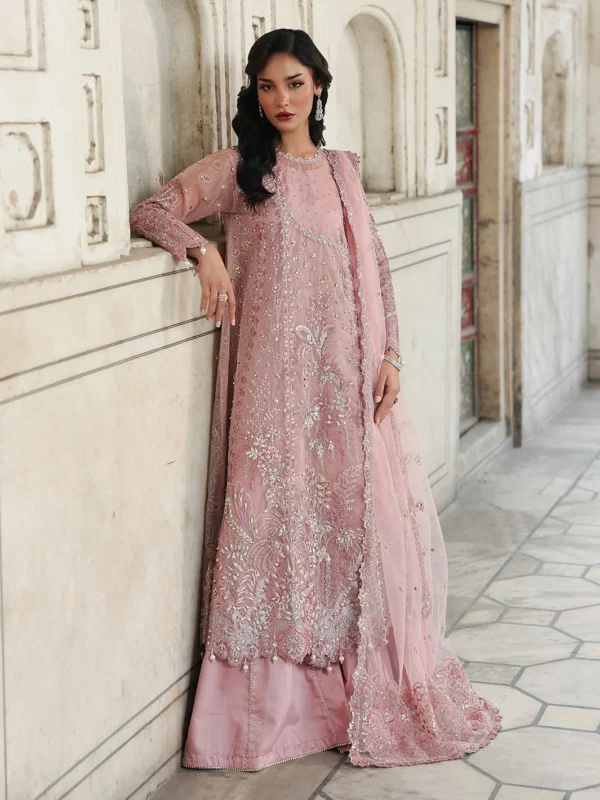
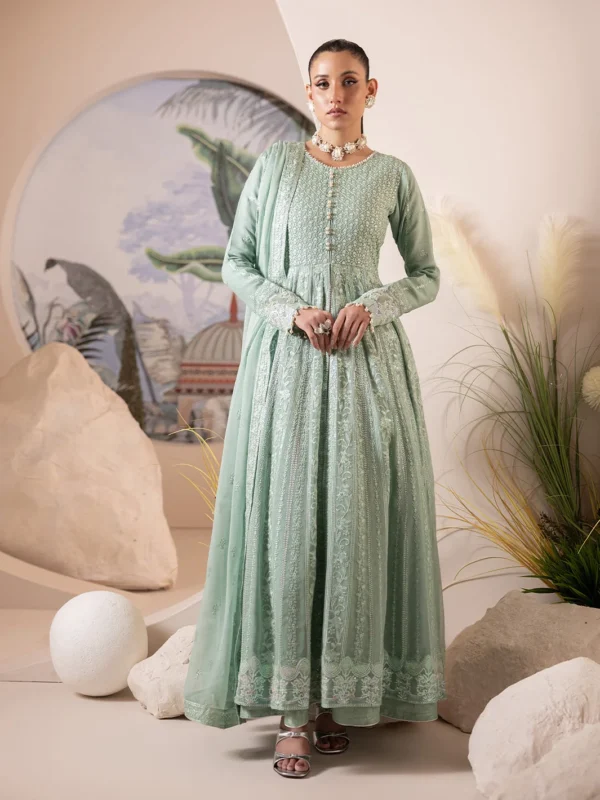
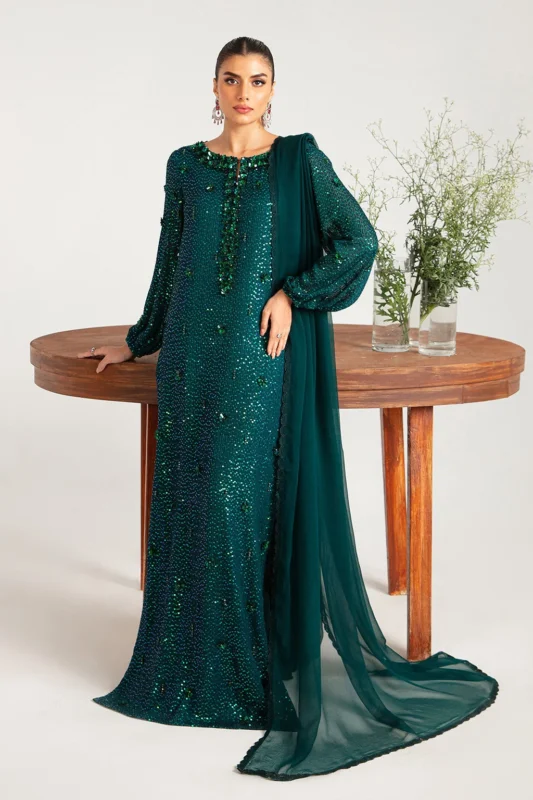
With hundreds of online fashion stores operating across Pakistan, choosing where to shop is a genuine decision. Here is why thousands of Pakistani women from Karachi to Rawalpindi choose Zilverah for their formal wear needs.
Every piece in our formal collection is selected for quality of fabric, precision of embroidery, and integrity of construction. We do not compromise on craftsmanship regardless of price point. Whether you spend Rs. 23,000 or Rs. 105,000, you receive a garment that reflects genuine artisanal value. Our Formal Wear collection spans 134 products, giving you real choice without overwhelming you.
Almost every piece in our formal collection qualifies for free delivery across Pakistan. Whether you are ordering from a high-rise in Karachi’s Defence, a family home in Lahore’s Gulberg, a flat in Islamabad’s F-7, or from Rawalpindi or Faisalabad, your order arrives at your doorstep without any extra delivery charges. This is a genuine saving on every formal purchase.
At Zilverah, we are deeply proud of Pakistan’s textile heritage. Our formal collection is built on the traditions of zardozi, gota patti, Punjabi threadwork, and Sindhi embroidery, reimagined for a modern Pakistani woman. We believe formal dresses for Pakistani women should celebrate who you are, where you come from, and the culture you represent. Every piece in our collection reflects that commitment. For a broader look at Pakistani fashion traditions across categories, our ultimate guide to Pakistani Shalwar Kameez is an excellent companion read.
In 2026, the most popular formal dresses for Pakistani women include floor-length Anarkalis, embroidered Sharara and Gharara sets, organza Lehengas, raw silk three-piece suits, and embroidered formal gowns. Bold jewel tones like teal, mustard, and emerald green are trending alongside soft pastels like powder blue and off-white. Each silhouette suits different occasions, from Mehndi and Barat to formal dinners and Eid celebrations.
Formal dresses for Pakistani women range from approximately Rs. 8,000 for entry-level ready-to-wear pieces to Rs. 950,000 for luxury couture. At Zilverah, our formal collection spans Rs. 23,000 to Rs. 105,000, covering mid-range and luxury tiers with quality fabrics including raw silk, organza, chiffon, and velvet. Orders above Rs. 10,000 ship free across Pakistan.
The best fabric depends on the occasion and season. Raw silk is ideal for structured three-piece formal suits with embroidery. Organza works beautifully for lehengas and maxi formal dresses. Chiffon is the go-to for flowing, lightweight formal wear. Velvet is the premium choice for winter weddings and evening events. Net and organza overlays add glamour to any silhouette. Each fabric has different care needs, with silk and velvet requiring dry-cleaning.
Yes, Zilverah offers online shopping for formal dresses with delivery across Pakistan, including Lahore, Karachi, Islamabad, Rawalpindi, and Faisalabad. All orders above Rs. 10,000 receive free delivery. Ready-to-wear formal dresses typically arrive within 3 to 7 working days. You can browse and order directly from zilverah.com and have your formal dress delivered to your doorstep.
As a wedding guest in Pakistan, your outfit choice depends on the specific event. For Mehndi, opt for colourful Shararas or embroidered suits in festive tones. For Barat, dress at your most formal with heavily embellished lehengas or three-piece silk suits. For Walima, lighter formal wear in pastels or soft tones is ideal. Avoid white or bridal red at Barat as a guest. Always match your embellishment level to the formality of the event.
For a modern take on Pakistani formal wear, try a cape-style dupatta drape instead of a traditional pin style. Keep jewellery minimal, choosing one statement piece like chandelier earrings or a choker rather than layering everything. Pair floor-length Anarkalis with block-heeled sandals rather than traditional khussas for a contemporary edge. For Gharara sets, a contrasting blouse and heavy jhumkas create a dramatic, fashion-forward look while staying rooted in tradition.
Embroidered formal dresses need careful handling. Raw silk and velvet should always be dry-cleaned. Chiffon and organza can be gently hand-washed in cold water, but keep embroidered sections away from vigorous scrubbing. Never tumble-dry or wring formal fabric. Store your dress in a breathable garment bag away from direct sunlight to prevent colour fading. Proper storage preserves both the fabric and embroidery quality for years of rewear.
Eid is the season when every Pakistani woman wants to look her absolute best, and nothing makes a statement quite like a beautifully crafted lehenga.
If there is one outfit that captures the magic of Eid celebrations in Pakistan, it is the sharara. Flowing, festive, and rooted in centuries of